
By Jessica Parnham
Head of Marketing and Content Strategy
From the late 18th to the early 20th century, bright green wallpapers symbolised luxury, taste, and modern living. The vivid colour responsible for these fashionable designs came from pigments such as Scheele’s Green and Paris Green, copper arsenite compounds which were later found to contain highly toxic levels of arsenic.
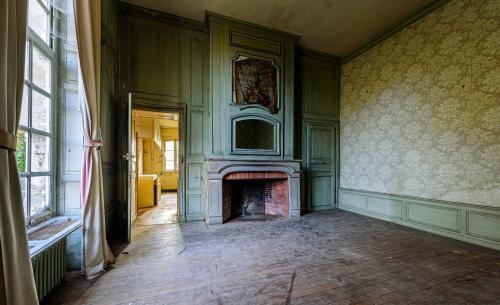
Though the dangers of arsenic have long been recognised, residues in historic wallpaper, paints and adhesives can still pose a risk today, particularly in properties dating back to the Georgian and Victorian eras. Understanding how arsenic was used, how exposure can occur, and what can be done to manage it is essential for anyone working with or living in older interiors.
Why Arsenic Was Used in Wallpaper and Paint
Arsenic’s connection to interior design began in the late 18th century, when Swedish chemist Carl Wilhelm Scheele developed a copper-arsenite pigment that produced an intense, vivid green. Marketed as Scheele’s Green and later refined into Paris Green, this pigment transformed domestic décor. Initially used in artists’ and decorative paints, the colour was soon adopted by wallpaper manufactures for its brilliance and durability that earlier natural dyes could not achieve, quickly becoming one of the most fashionable colours in Victorian Britain.
By the mid-19th century, these pigments coloured not only walls but also textiles and furniture finishes, reflecting the Victorian fascination with bright, permanent colour. In addition, the repeal of the paper tax in 1836 and the introduction of machine printing in 1839 dramatically reduced wallpaper production costs. As a result, wallpaper use expanded across all social classes, with over 32 million rolls manufactured annually in Britain by the 1870s. The new printing techniques also allowed arsenic pigments to be incorporated on a vast scale and in a range of colours beyond green, including blues, yellows, pinks, and greys.
However, the widespread use of these pigments came with hidden consequences. Early chemists and physicians soon began to associate unexplained illnesses such as respiratory irritation, fatigue, and skin lesions with rooms decorated in arsenic-coloured wallpapers. Investigations later confirmed that the pigments could release microscopic arsenic dust and vapour, particularly when exposed to damp conditions or mould growth.
How Arsenic in Wallpaper Poses a Risk Today
Whilst arsenic has been absent from wallpapers and paints for more than a century, many pre-1900 properties still retain original wall coverings, paints, or glues containing arsenic compounds. Even when sealed beneath later paper or layers of paint these materials can degrade over time, particularly in damp or poorly ventilated environments where moisture encourages chemical and biological reactions.
The principal risk arises when these historic materials are disturbed. Refurbishment and redecorating that involves drilling into old plaster, or even sanding and scraping arsenic based paint, can release arsenic-containing dust that settles on surrounding surfaces or becomes airborne. This risk is heightened in heritage properties, where decorative finishes are often preserved rather than removed.
In some rare cases, specific mould species that grow on damp wallpaper can metabolise arsenic compounds into arsine gas, a colourless, highly toxic vapour. This process was first identified in 1891 by the Italian chemist Bartolomeo Gosio, who demonstrated that the combination of arsenic pigments and mould growth could generate a poisonous gas capable of causing severe illness or death. Although such conditions are uncommon in modern buildings, poorly ventilated or water-damaged interiors containing historic wallpapers can still create a comparable risk environment.
Because arsenic bio-accumulates in the body, even prolonged low-level exposure can lead to lasting health effects. Symptoms may include fatigue, headaches, skin irritation, respiratory discomfort, or in more severe or extended cases, damage to the liver, kidneys, and nervous system. Vulnerable groups such as children, pregnant individuals, and contractors working in enclosed spaces are at particular risk.
Recognising When Testing May Be Needed
Testing for arsenic in wallpaper and paint is most relevant in properties built before 1900, particularly those retaining original decorative features. Indicators that testing may be appropriate include:
- Disturbance of old wallpaper, paint, plaster, or adhesive during renovation or redecoration.
- Presence of vivid green or blue-green pigments typical of Victorian designs.
- Evidence of unexplained respiratory or dermatological symptoms among occupants.
- Heritage or conservation work involving historic interiors where materials cannot be removed without analysis.
Even where no visual clues are apparent, professional testing provides valuable reassurance that hidden hazards are identified before work begins. Early detection prevents accidental exposure and allows remediation strategies to be developed that protect both occupants and the fabric of historic interiors.
How Arsenic Testing Works
Identifying arsenic in wallpaper and paint requires careful sampling and laboratory analysis capable of detecting trace levels within complex decorative materials. The appropriate testing approach depends on the age, condition, and accessibility of the suspected materials.
In low-risk domestic settings, when a small, intact section of wallpaper or paint can be accessed without damaging the surface or creating dust, it may be possible for testing to be carried out through controlled self-sampling using suitable protective equipment.
However, where wallpaper or paint is fragile, deteriorating, damp, or mould-affected, or where there is visible dust or discolouration, professional sampling is strongly recommended. This ensures that testing can be conducted without spreading contamination or releasing airborne particles. Professional involvement is also essential when assessing large surface areas, heritage properties, or sites undergoing refurbishment, where disturbance may expose underlying layers or adhesives that contain arsenic residues.
All samples should then be analysed under controlled laboratory conditions using validated analytical techniques to determine the presence and concentration of arsenic compounds. Testing provides a critical evidence base for decision-making, which in turn helps homeowners, contractors, and conservation specialists to plan safe and proportionate next steps.
How Envirochem Can Help
With decades of experience in environmental testing and occupational hygiene, Envirochem is trusted by clients across the UK to identify, analyse, and manage chemical hazards in the built environment. Our team includes qualified chemists and occupational hygienists who are able to provide clear, practical guidance that helps property owners, contractors, and conservation professionals make informed decisions.
Our arsenic testing services are available through two primary routes:
Professional Sampling and Analysis: Our consultants attend site to safely collect samples of wallpaper, paint, adhesive, or dust for laboratory analysis. This service is ideal for high-risk or heritage environments, refurbishment projects, or where contamination is suspected across larger areas. All analysis is conducted in our UKAS-accredited laboratory (No. 1227) using validated methods, with results typically issued within three working days.
Self-Sampling Testing Kits: For lower-risk domestic settings, our self-sampling kits offer a convenient and controlled way to test for arsenic in wallpaper and paint. Each kit includes all required PPE, detailed instructions, and return packaging for laboratory analysis, giving homeowners a fast and reliable way to confirm whether arsenic-based pigments or adhesives are present.
Where contamination is detected, we can also advise on remediation strategies including encapsulation, controlled removal, and collaboration with conservation professionals to ensure both safety and preservation are achieved.
To learn more about our built environment testing capabilities, visit our Arsenic in Wallpaper and Paint Testing page. To order a self-sampling kit directly, visit our Online Storefront.
Author

Related Content
How can we help?
Contact UsWebsite Privacy Policy - Privacy Notice - Terms & Conditions
© Envirochem Analytical Laboratories Ltd
Reg. No. 2378228 England