
By Daniel Dockree
Operations Manager - Chemical Testing
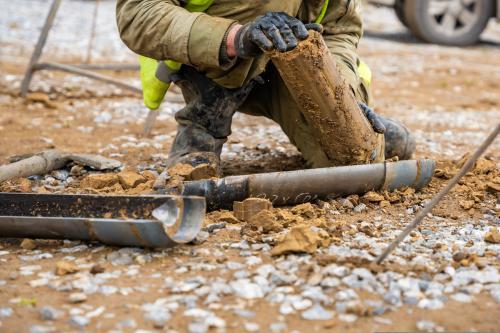
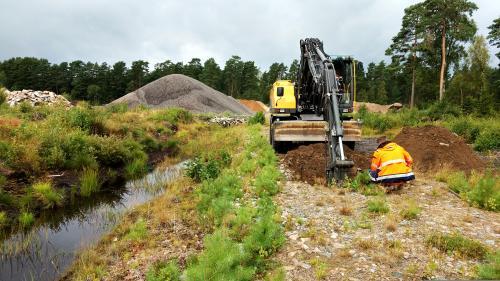
Soil testing is required where land may be contaminated, presents a potential risk to health, or needs to be classified for disposal or reuse.
The accuracy of laboratory results depends heavily on how samples are collected and packaged on site. Incorrect sampling can lead to cross-contamination, rejected samples, additional costs, and project delays.
This guide explains how to correctly collect, label and package soil samples for submission to Envirochem’s in-house laboratory.
1. Planning Your Sampling
Sample locations must be representative of the area, depth and material being assessed. Where site conditions vary, multiple samples may be required.
For waste classification projects, sampling frequency should align with Environment Agency guidance and WM3 requirements and the specific requirements of the waste carrier or receiving facility.
Envirochem can provide an indication of typical sampling expectations based on WM3 guidance, but we recommend confirming requirements directly with the disposal site before sampling begins.
2. Preparing to Take Samples
Even minor residue transfer between samples can invalidate results. In order to prevent sample contamination, you should:
- Wear disposable gloves throughout sampling
- Use clean, appropriate tools
- Clean tools thoroughly between each sample
3. Sample Containers and Volumes
Each sample submission should include:
- One 1-litre container
- One 500 ml container
Both containers should contain a representative, well-mixed portion of the soil from the selected location and depth. Avoid submitting only surface material or a single clump.
The type of container used depends on the analysis required:
- For most soil analysis, including waste classification and general contamination testing, samples should be placed in clean plastic containers. These help prevent moisture loss and contamination during transit.
- For Total Petroleum Hydrocarbon (TPH) analysis, samples must be submitted in amber glass jars. Envirochem is officially UKAS accredited and MCERTS accredited for TPH analysis in soil, and the use of amber glass containers forms part of the accredited method.
Envirochem can supply suitable plastic containers and amber glass jars free of charge, and should be requested in advance of sampling.
Sufficient volume is essential to allow all requested analyses to be completed. If inadequate sample is received, additional sampling may be required, which can delay reporting.
4. Labelling Samples
All containers must be securely sealed and clearly labelled.
Labels must match the information provided on the Chain of Custody form exactly, including:
- Client name
- Site address
- Sample ID
- Sampling depth
- Date of sampling
Inconsistent or incomplete labelling is one of the most common causes of processing delays.
5. Chain of Custody Form
A completed Chain of Custody form must accompany all sample submissions.
This document allows the laboratory to log, analyse and report your samples correctly, including the requested analysis schedule and report details.
You can download the Envirochem Chain of Custody form here.
The completed form should be placed inside the package in a waterproof wallet or emailed to lab@envirochem.co.uk at the time of dispatch.
6. Packaging Samples for Transport
Sample containers must be sealed tightly and placed inside a strong outer container for transport, such as a robust cardboard box or insulated box.
Containers should be kept upright and secured with adequate padding to prevent movement or breakage during transit. Care should be taken to ensure lids remain tightly closed to avoid leakage.
7. Returning Samples to Envirochem
Samples can be returned by:
- Courier delivery
- Postal submission
- In-person drop-off
- Courier collection arranged by Envirochem
If you would like Envirochem to arrange collection of your samples, please email lab@envirochem.co.uk with:
- Collection address
- Number of boxes
- Approximate weight
- Any site-specific opening/closing times
A shipping label will then be provided.
Why Correct Packaging Matters
Laboratory analysis is only as reliable as the sample received. Poor sampling and packaging can result in:
- Unrepresentative results
- Additional testing costs
- Delays to reporting
- The need for re-sampling
If you are unsure about container types, analysis requirements, or sampling procedures, please contact lab@envirochem.co.uk before submitting samples. Early clarification helps avoid delays and ensures results are valid first time
Author

Related Content
How can we help?
Contact UsWebsite Privacy Policy - Privacy Notice - Terms & Conditions
© Envirochem Analytical Laboratories Ltd
Reg. No. 2378228 England